Showing 18–34 of 375 results

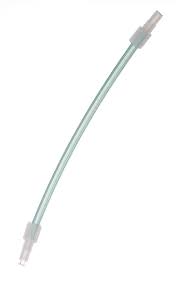
Tip for 61537010 (61543060)

Tip with M6 thread. Together with the 6.1805.160 capillary and the 6.1446.030 link stopper, it makes up the entire 6.1537.010 buret tip.

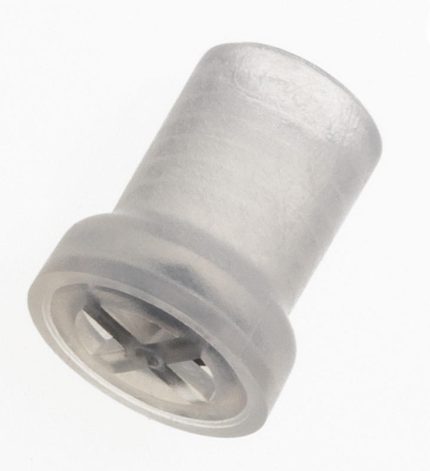
Antidiffusion Micro Valve (62726090 )

For antidiffusion buret tips 6.1541.XXX, 6.1543.130, 6.1543.140, 6.1543.150, 6.1543.160, 6.1543.200

Deuterium UV lamp for AA instruments,1/p (G8431-80000)

Deuterium UV lamp for AA instruments. Replacement source lamp for background corrector used in current and most previous AA instrument models. Deuterium UV lamp for Agilent AAS instruments. Replacement source lamp for background corrector used in current and most previous AAS instrument models.

Nebulizer capillary kit Mark 7 s/c, 1/pk (9910093000)

Nebulizer capillary kit for Mark 7 spray chamber. Includes Pt/Ir capillary assembly, capillary guide, nebulizer spring, nebulizer cleaning wire, Hi-Vac capillary tubing, and standard capillary tubing.

5190 – 0470 LC/MS Forensic Toxicology Calibration Mixture

Specifications: Analyte Count 26 CAS Number 122-09-8 57-24-9 53-21-4 152-11-4 439-14-5 1972-08-3 76-57-3 28981-97-7 846-50-4 25332-39-2 92279-84-0 143-71-5 74341-78-9 50-13-5

5610 – 2006 Chem Elut S, 400 µL sample, 3 mL tube, 100/pk

Chem Elut S, 400 µL sample, 3 mL tube, 100/pk. Inert, synthetic sorbent ideal for biological, food, and environmental samples. Chem Elut S improves matrix removal and requires minimal extraction solvent, leading to increased analyte concentration.


5610 -2007 Chem Elut S, 1 mL sample, 6 mL tube, 100/pk

Chem Elut S, 1 mL sample, 6 mL tube, 100/pk. Inert, synthetic sorbent ideal for biological, food, and environmental samples. Chem Elut S improves matrix removal and requires minimal extraction solvent, leading to increased analyte concentration.

5610 -2008 Chem Elut S, 3 mL sample, 12 mL tube, 50/pk

Chem Elut S, 3 mL sample, 12 mL tube, 50/pk. Inert, synthetic sorbent ideal for biological, food, and environmental samples. Chem Elut S improves matrix removal and requires minimal extraction solvent, leading to increased analyte concentration.